Best cat food for cats with ibd in cats is a chronic condition involving GI tract inflammation, leading to persistent vomiting, diarrhea, weight loss, poor appetite, and discomfort. Diet is the cornerstone of management—reducing inflammation via highly digestible, low-antigen formulas often yields significant improvement (many cats respond within weeks).
These best cat food for cats with IBD picks are therapeutic (mostly prescription) options vetted from sources like PetMD, VCA, Cornell, and vet consensus. Key factors: >90% digestibility, hydrolyzed/novel proteins, low-moderate fat, prebiotics, and palatability (critical for picky eaters).
ALSO READ: Top 5 Best Dry Cat Foods for Weight Loss
Top recommendations (vet diagnosis & prescription required for most):
- Hill’s Prescription Diet i/d Digestive Care (best overall low-residue)
- Royal Canin Veterinary Diet Gastrointestinal Low Fat (best low-fat)
- Hill’s Prescription Diet z/d (best hydrolyzed)
- Purina Pro Plan Veterinary Diets EN Gastroenteric (best value prescription)
Note: Start with vet-guided elimination trials—no treats/other foods. Monitor symptoms closely.
ALSO READ: Top 5 Best Wet Cat Foods for Kittens
How Diet Helps Manage IBD in Cats
Special therapeutic diets reduce gut inflammation by:
- Using highly digestible ingredients (>90–95%) to minimize residue and ease absorption.
- Minimizing antigenic load with hydrolyzed (broken-down) or novel proteins (e.g., rabbit) to avoid immune triggers.
- Lowering fat to reduce pancreatic stimulation (common in IBD + pancreatitis cases).
- Supporting microbiome with prebiotics/probiotics for better stool quality and gut health.
Goals: Fewer vomiting/diarrhea episodes, firmer stools, weight restoration, and improved quality of life. Per experts, dietary trials succeed in 50%+ of cases; combine with meds if needed.
Top 5 Best Cat Food for Cats With IBD
These standouts (wet/dry mixes) excel in digestibility, vet use, and reviews.
Hill’s Prescription Diet i/d Digestive Care – Best Overall Low-Residue
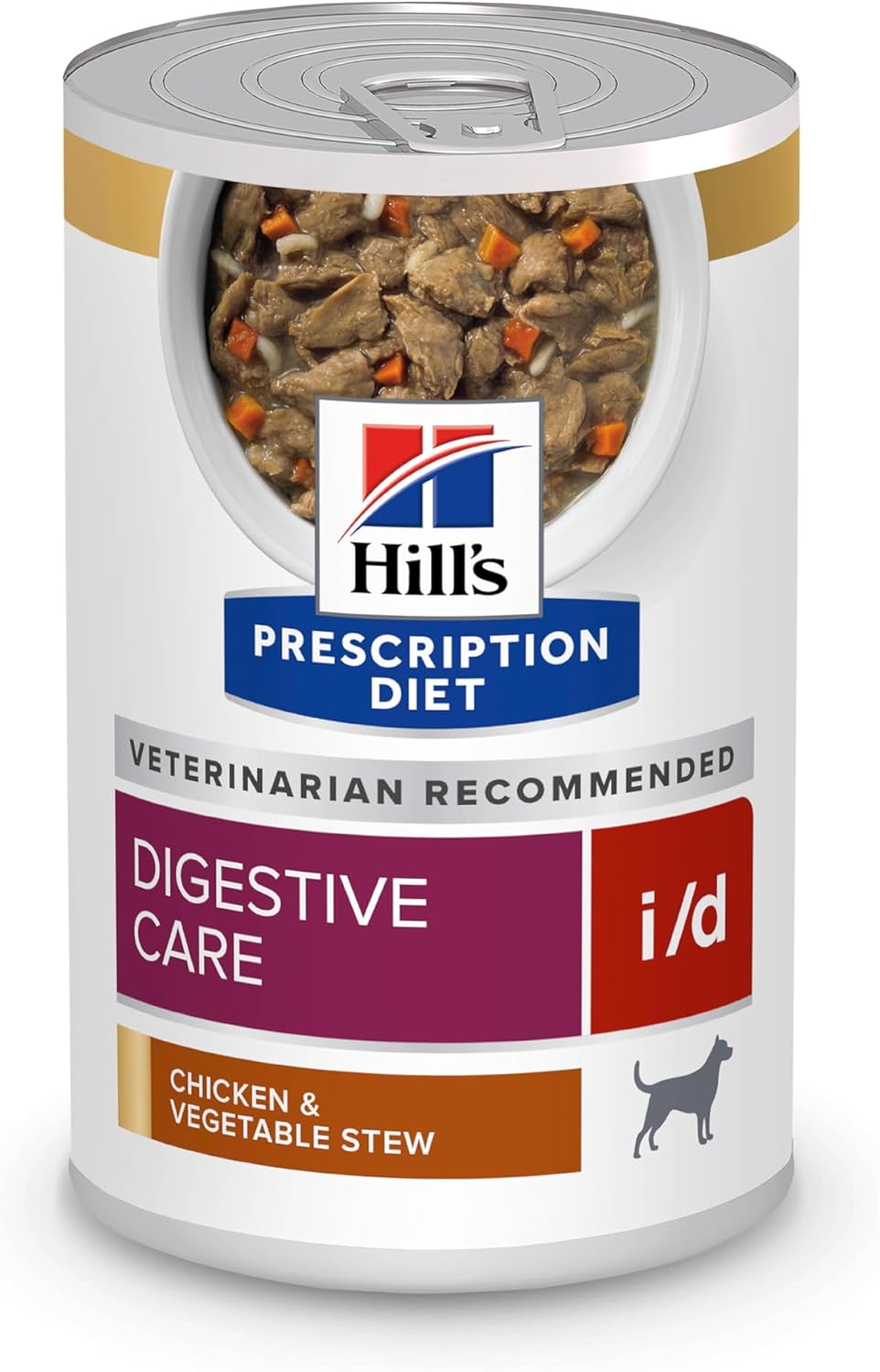
Features: Wet & dry; highly digestible chicken; added prebiotics + ginger; ActivBiome+ for microbiome.
- Pros: Widely studied/used for acute/chronic IBD; excellent stool improvement; supports pancreatitis.
- Cons: Prescription only.
- Best For: Most IBD cases ± pancreatitis.
Royal Canin Veterinary Diet Gastrointestinal Low Fat – Best Low-Fat
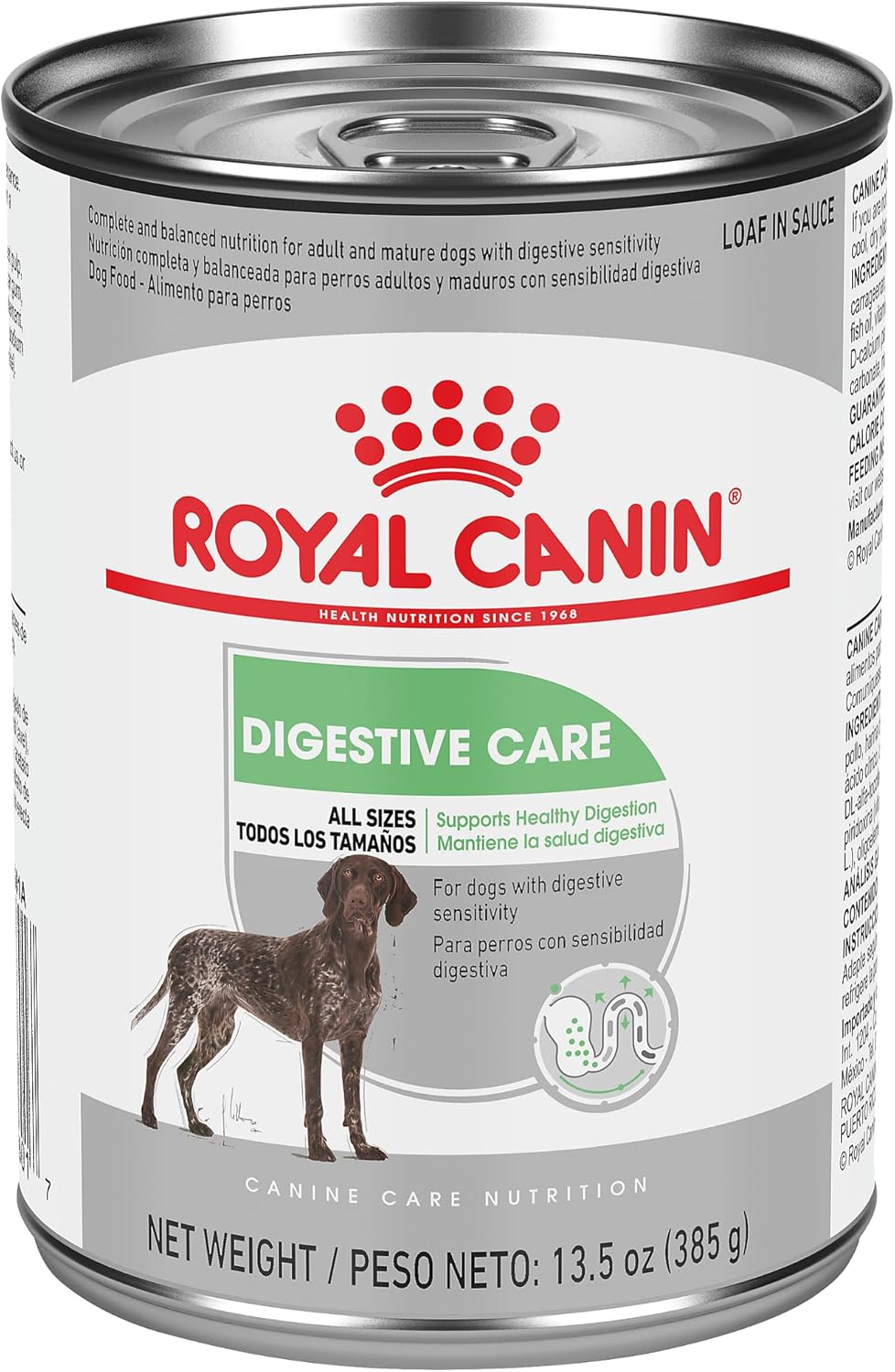
Features: Wet & dry; highly digestible proteins; very low fat (≤7% dry); prebiotics/fibers.
- Pros: Gold standard for IBD + pancreatitis; multiple textures for palatability.
- Cons: Prescription; some cats less accepting.
- Best For: IBD with concurrent pancreatitis or fat intolerance.
Hill’s Prescription Diet z/d – Best Hydrolyzed Protein

Features: Wet & dry; hydrolyzed chicken (<1,200 daltons); prebiotics.
- Pros: Bypasses immune recognition; strong for food-responsive/refractory IBD.
- Cons: Expensive; occasional refusals.
- Best For: Food-allergy-linked or tough IBD cases.
Purina Pro Plan Veterinary Diets EN Gastroenteric – Best Value Prescription

Features: Wet & dry; highly digestible chicken; added probiotics.
- Pros: Affordable prescription GI option; good acceptance; energy-dense.
- Cons: Slightly less specialized than Hill’s/Royal Canin.
- Best For: Budget-conscious owners.
Quick Comparison of Best Foods for Cats with IBD
| Rank | Brand | Type | Phosphorus | Fat % | Requires Rx? | Best For |
| 1 | Hill’s i/d | Low-residue | Moderate | 5–8% | Yes | Most IBD cases |
| 2 | Royal Canin GI Low Fat | Low-fat GI | Low | ≤7% | Yes | IBD + pancreatitis |
| 3 | Hill’s z/d | Hydrolyzed | Low | 5–7% | Yes | Food-responsive IBD |
| 4 | Purina EN Gastroenteric | Low-residue | Moderate | 5–8% | Yes | Best value prescription |
| 5 | Rayne Rabbit/Kangaroo | Novel protein | Very low | 6–9% | No | Refractory cases |
Selection Criteria for IBD Cat Food
Picks based on:
- Very high digestibility (>90–95%) for nutrient absorption.
- Low to moderate fat (key if pancreatitis present).
- Hydrolyzed or novel protein to reduce immune triggers.
- Strong veterinary consensus & clinical use (e.g., WSAVA-aligned brands).
- High palatability (IBD cats often picky—critical for compliance).
What Owners & Vets of IBD Cats Actually Say
From Chewy/Amazon/Reddit/vet forums:
- Hill’s i/d: “From daily vomiting to normal stools in 2 weeks—life-changer.”
- Royal Canin GI Low Fat: “Saved my cat with IBD + pancreatitis; firm stools.”
- Hill’s z/d: “Only food that stopped itching + vomiting; managed IBD for years.”
- Purina EN: “Cheaper than Hill’s, same great results—good acceptance.”
- Rayne Rabbit: “Last resort after failing everything—worked wonders.”
Concerns: Picky eaters (try warming wet); prescription access (Chewy autoship helps).
How to Successfully Feed an IBD Cat
Tips for success:
- Strict elimination trial (8–12 weeks exclusive—no treats/table food).
- Feed small, frequent meals (4–6×/day) to ease digestion.
- Warm food slightly for better smell/appetite.
- Use elevated bowls if neck pain.
- Keep a detailed symptom journal (vomiting frequency, stool quality, appetite/weight).
- Re-check bloodwork & weight every 4–6 weeks with vet.
Monitor closely—adjust under vet guidance.
Choose the Right Diet for Your IBD Cat
For overall low-residue: Hill’s Prescription Diet i/d. Low-fat/picky: Royal Canin GI Low Fat. Hydrolyzed: Hill’s z/d. Value: Purina EN. Novel OTC: Rayne Rabbit/Kangaroo. Match to your cat’s needs—always start with vet diagnosis and prescription.
Work with your vet to get the right prescription diet today—check current prices on Chewy (Rx required) for healthier days ahead!